Showing posts with label b&w film. Show all posts

Tuesday, November 05, 2024

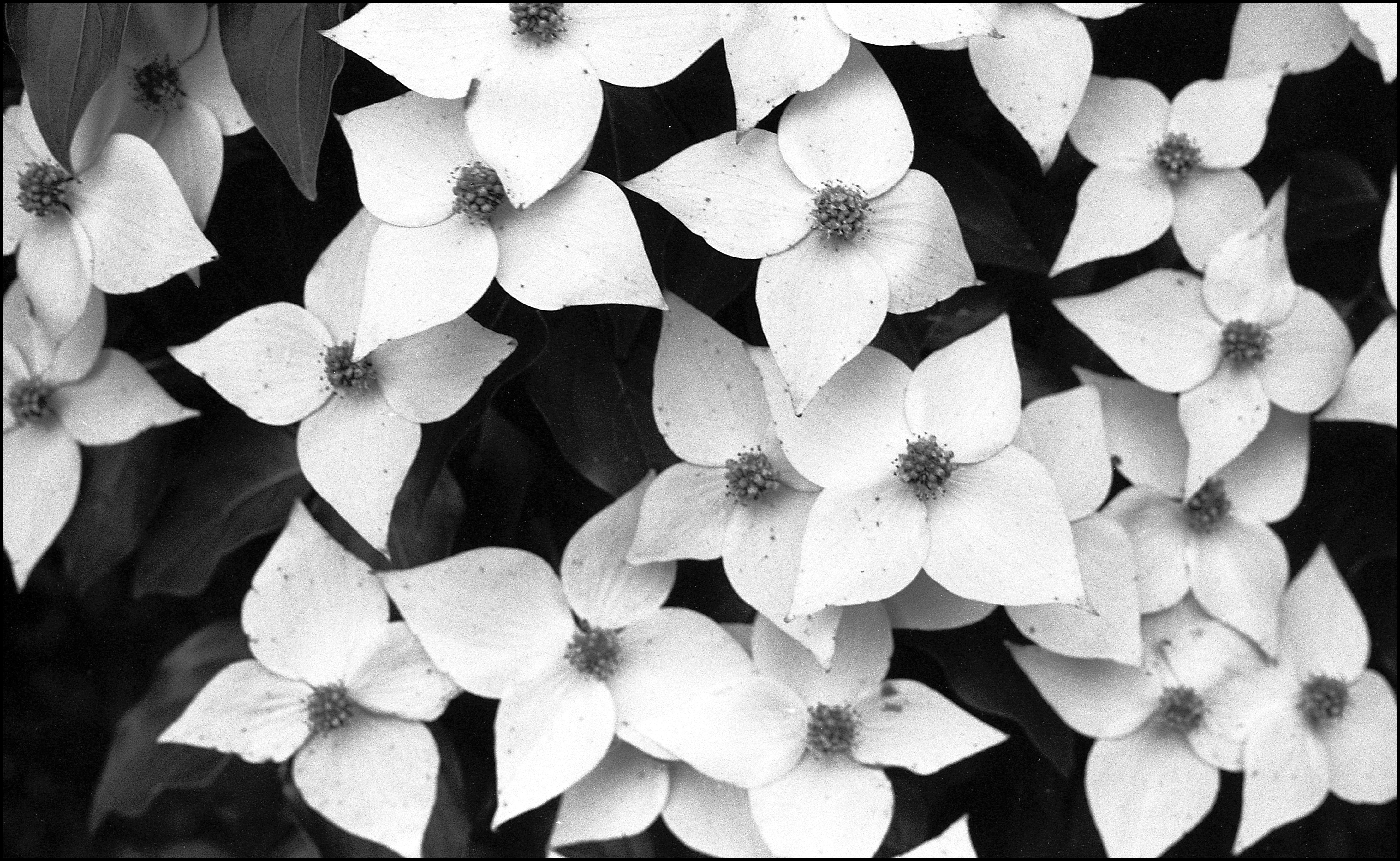
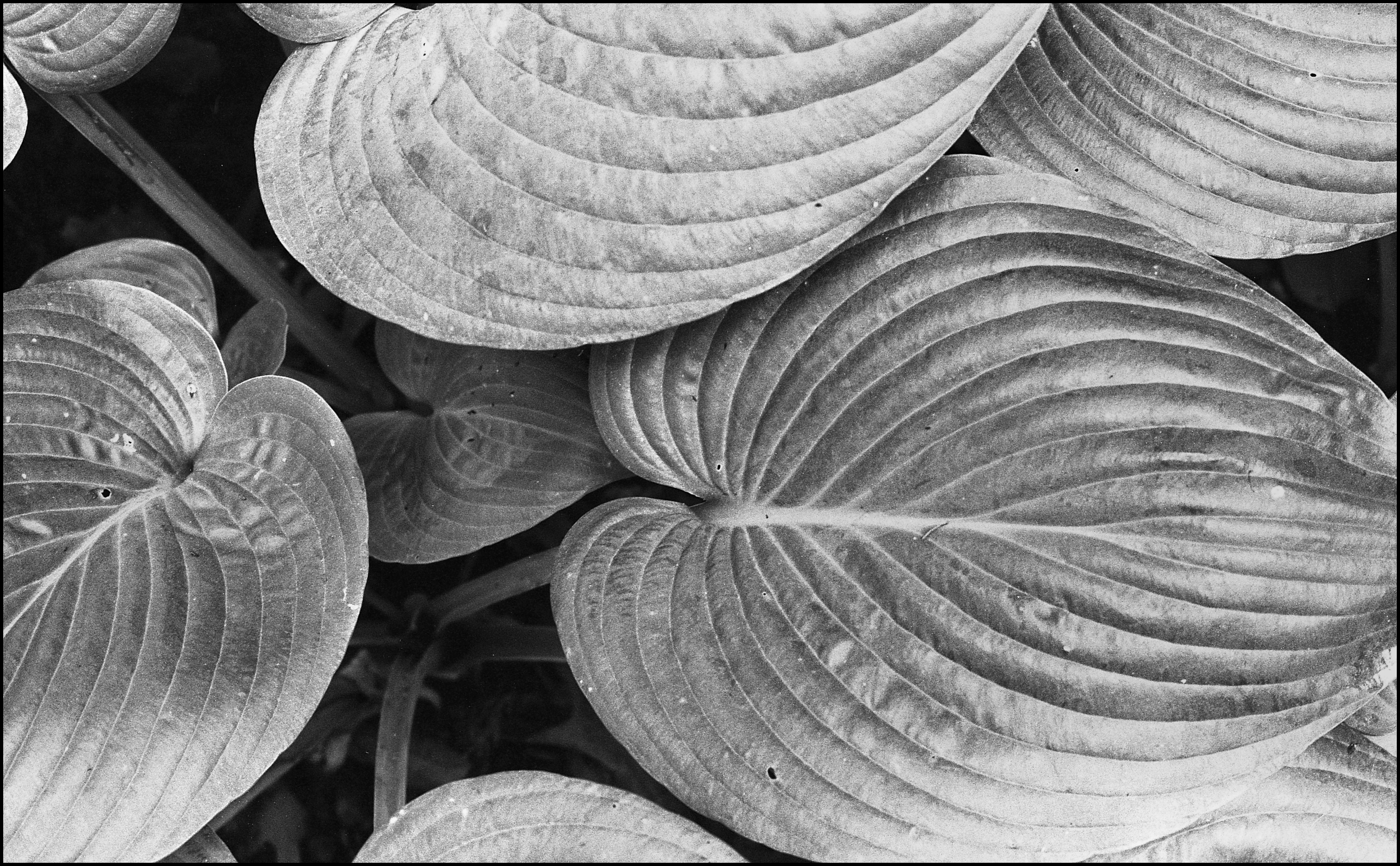
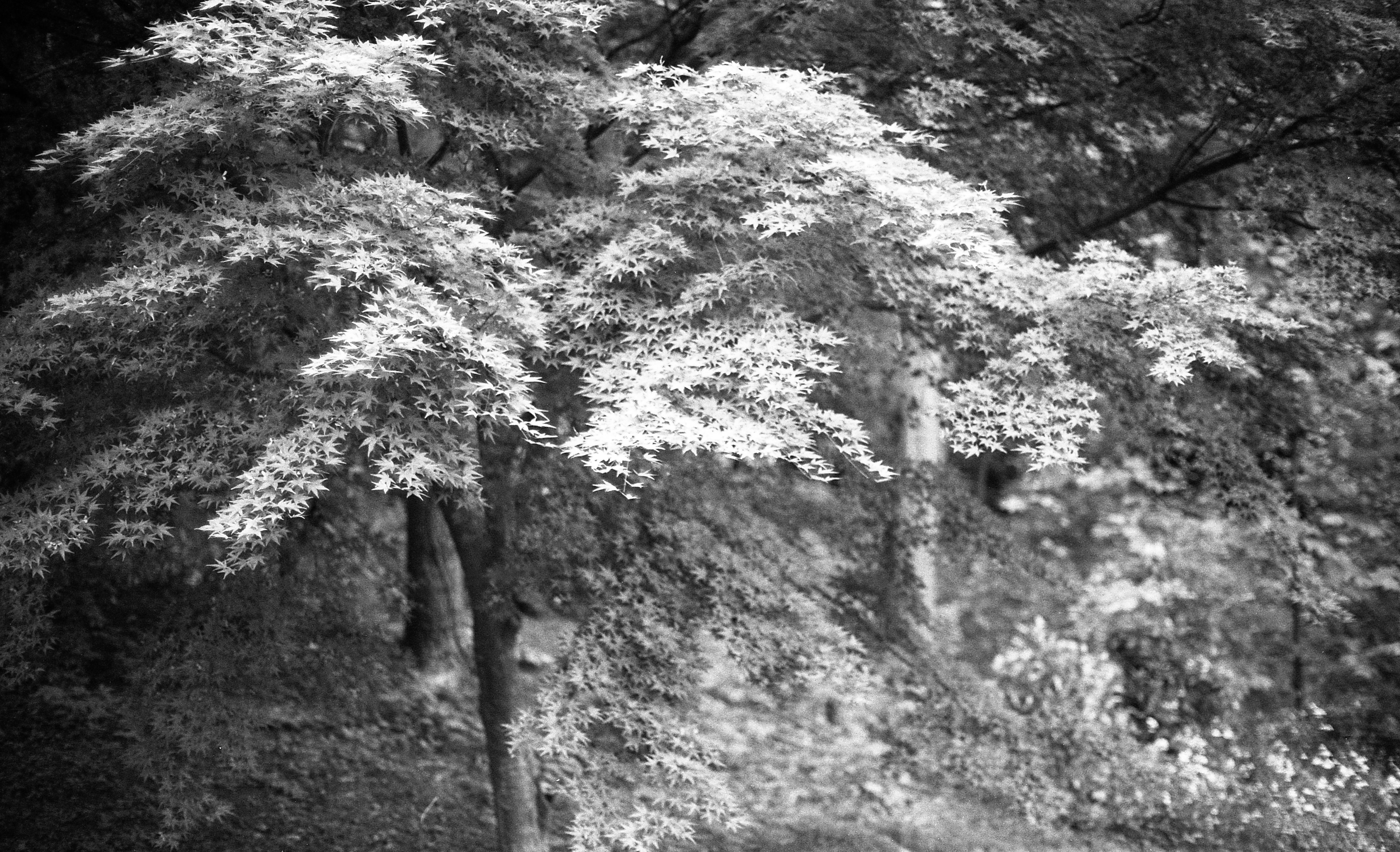
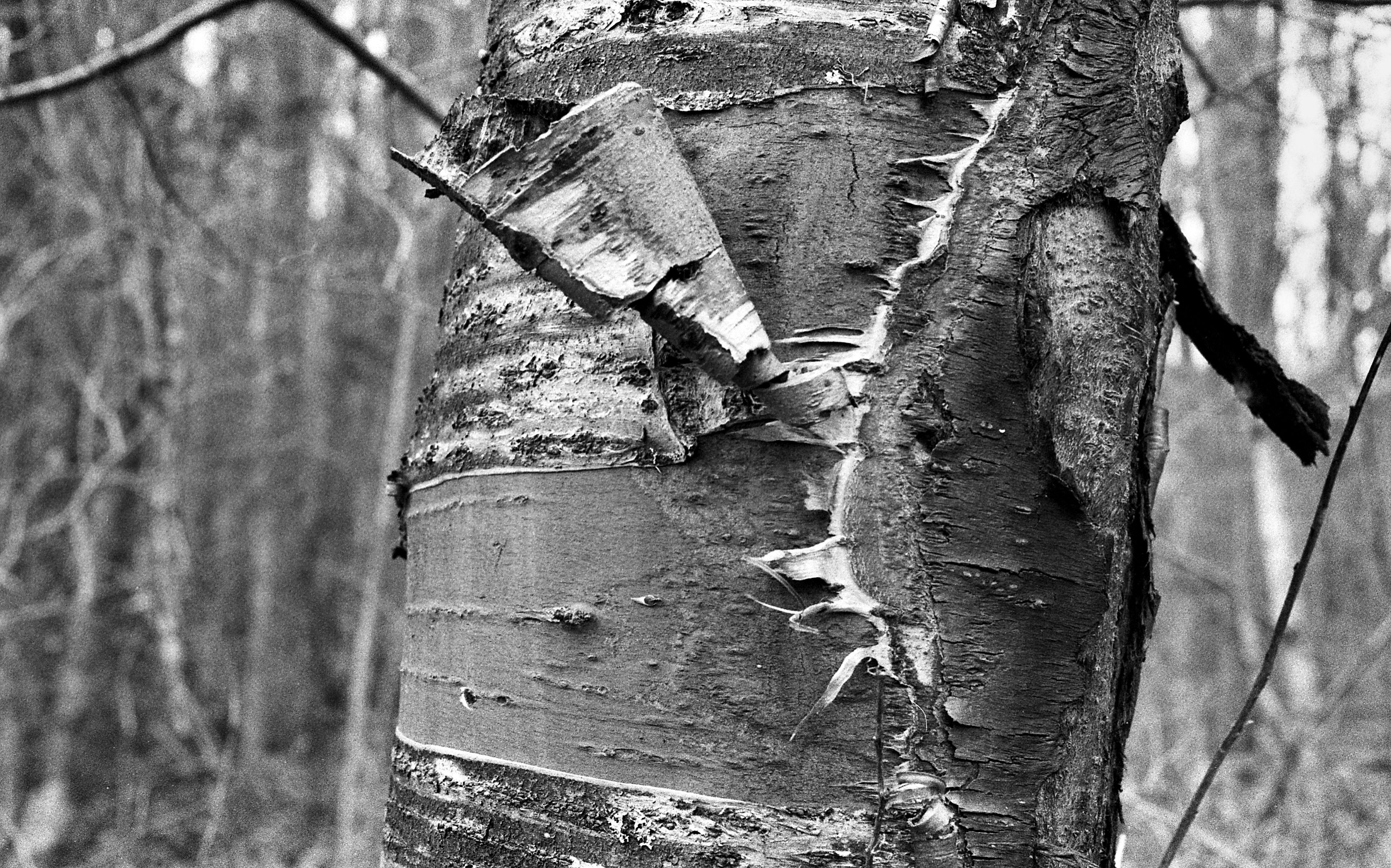
Ilford’s Mark V b&w cine film


Every once in a while, I see a film that I’d never heard of, and think “I have to try that!” Ilford has long been my favorite film supplier, and to see an old stock that I never knew existed, definitely piqued my interest.  For a while the Film Photography Project was selling this film that they called Mark V in 24-exposure rolls.  I think that Lance Rothstein is also selling it at his unusual expired film site. I didn’t know that Ilford manufactured film for the cine industry, but the Ilford Mark V film dates from 1978.  That indeed, is very expired.  After doing some research, I figured it was worth a shot with this film that expired the year I was married.  As you know, we have a rule of thumb regarding exposing expired film — which is that it typically loses 1 stop of sensitivity per decade.  Black and white films do a bit better with age, and the lower the ISO, the better the film survives.  Some films like the old Verichrome Pan, which was rated at ISO 125, seem to survive just about anything, with decent results on 50+ year old film.  The Mark V film was originally rated at ISO 400, and I looked at examples online, which are most often rated at ISO 50, so I went with that.

I loaded the film in my Nikon F3HP, which is one of my favorite Nikon SLRs. I didn’t shoot anything that was one-time thing, just in case the results sucked.  I finished the roll over the span of a couple of weeks, the last one being post-Helene, which devastated so many areas around me.  I developed the film in HC-110B for 6.5 minutes.  I must have been distracted, because after I rinsed with water, and poured in the fixer, it was actually from the jug of D-96, not fixer.  Oblivious to my error, I agitated the developing tank as usual, and then as I went to pour out the “fixer” into the jug, I saw my stupid error.  I rinsed the film again, and this time, poured in the fixer.  I didn’t know what I was going to get, but I figured that I really screwed up the roll.

After fixing and rinsing, I took the film off the roll and hung it to dry.  I could see that the film base was quite dark, but I could also see the frames - dark, but not opaque.  Once the film dried, I then scanned it in on my Epson V700, and I was pleased to see that the images actually looked pretty good!

Mark V film - it "cups" a bit and dies not lie flat in the scanner holder.


Here are a few examples from the roll.  


My thought on this is that it takes a lot to screw up a roll of film, especially b&w.  I basically double-developed the film, and yet I got usable images.  Unfortunately, I only purchased 1 roll of the Mark V, and now it is sold out.  Despite my best efforts to screw it up, the results were acceptable.

The film is obviously grainy, and the dark base is probably related to the age of the film.  Rating it at ISO 50 was a good choice, though.  Without knowing the history of how the film was stored, I’d say it did much better over time than I could have foreseen. 

Regarding b&w cine film — my current go-to is expired Eastman 5231, which is much like Kodak Plus-X.  I rate it at ISO 80, and have gotten stellar results using D-96 for 8 minutes.  While it’s a hard-to-find film, I have a source, and am really grateful to be able to shoot with it. The other b&w cine film choice is Kodak XX, or Eastman 5222. It’s a terrific film, and I used to buy it in bulk long before the cine film to 35mm stills became a big deal.  Another choice is Orwo UN54, which is an ISO 100 b&w film.  I have used it, and it’s a pretty decent emulsion.   So, there are other choices, but the Ilford Mark V must have been really nice back when it was fresh.  

Tuesday, May 07, 2024

FPP X-Ray film, now in 35mm


I’m always eager to try new films, especially black and white emulsions.  This latest film isn’t exactly new, but it was only previously available in 120 and 4x5.  I have shot several rolls of the FPP X-Ray film in the past year, and found that I liked the results from this orthochromatic film.  So, I was understandably eager to try some in 35mm.


The FPP 35mm X-Ray film comes in 36 exposure rolls (Yay!), and is in a plastic film cassette, like some Lomography films and other brands.  The film is rated at 200 ISO, but there is no DX coding on the cassette. That actually makes sense for this film, as I have shot the 120 version at ISO 100.  I reviewed this film last year in the 120 version, so read about it in that post (https://randomphoto.blogspot.com/2023/04/fpp-x-ray-120-film.html).


I shot the first roll in my Nikon FE, and with a 50mm f/1.2 Nikkor that I just had serviced by Crystal Camera Repair in Asheville.  I was on a short hike up near Craggy Gardens off the Blue Ridge Parkway, and shot the roll under mostly sunny conditions.  So, it was a test of the refurbished lens and the film.  I developed the roll in D-76 at 20°C for 6 minutes, standard water stop bath, and fixer.   I scanned the negatives on my Epson V700 scanner.


Results 


While this film is considered to be grainy, I have seen far worse.  In the 120 version, grain wasn’t a problem.  The film IS contrasty, orthochromatic, and what I call “crunchy”.  That means the high contrast in sunlit situations, combined with the fact that the film has no anti-halation layer - results in a greater differentiation between bright objects and shadows, which some of the above images (especially image 4) will show.  In my opinion, this is an interesting film that in the right conditions, will give you some unique results.  I’m going to shoot the next roll under cloudy overcast conditions and also indoors with good lighting, and see how that goes. I may also try using the D-96 developer - for 7 minutes.


It's an unusual film in that the original purpose was some sort of x-ray film, and I always like using a film that wasn't originally considered for pictorial use, as a pictorial film.  The fact that it's a relatively fast film makes it all the more attractive.


UPDATED 06-01-24


I have now shot the second roll under cloudy to overcast conditions, as well as indoors.  This film really stands out under these conditions.  As you can see in the first photo, there is no anti-halation layer, and the halo around the points of light indicates that.  All taken with a Minolta X7A and 50mm f/1.4 Rokkor lens.


Inside Highland Brewery

The rest of the images are from my backyard, and as a landscape/nature emulsion, it works very well. 


Wednesday, August 23, 2023

One Roll Review - SHD 100 Pro


Last month, I stopped into my local photography store - Ball Photo, in Asheville, NC.  I bought a few rolls of film that I hadn’t seen before, and one of them was SHD Pro 100.  I was a little surprised, as I thought that Lucky film in China had disappeared from the scene, so I was certainly curious and eager to try this film.

The box containing the film has an expiration date of October 2023. While there is no mention of the Lucky brand on the box, the web site for the film is www.yangziyicn.com - which took me to a Facebook page.  However, the film is available online at the Reflx Lab website at $5.99/roll, and the information from Reflx Lab states the following:

“The SHD 100 film stock is using the emulsion formula from the time-honored Chinese brand Lucky Film.”

Well, it was many, many years ago that I shot with Lucky film, and if I recall correctly, it suffered a bit from halation.  Not a bad thing, if that’s what you want. Well, what the hell.  I loaded the roll into my Leica M2, and shot the roll on a sunny afternoon along the French Broad River N of Asheville.  I used my Doomo light meter that I keep on my M2.  


The box actually has development times for D-76 and HC-110 printed on one of the flaps. The film cassette is one of those plastic two-piece units that Lomography’s been using.  There is also a separate DX code sticker to go over the paper label if your camera requires DX codes to set the ISO to 100.  

I developed the film in D76 1:1 at 20°C for 11 minutes, rinsed in water for the stop, and fixed for 7 minutes. A couple of observations right away - the film is on a triacetate base and lies flat when dry- which makes it easy to scan on my Epson V700 flatbed.  The sprocket holes don’t seem to be die cut nearly as smooth as other films — maybe it’s the thicker film base, but it’s just an appearance, not something tactile.  

The film is fine-grained and damn, I love it.  I am very happy with the results from this first roll. I did not see any halation problems or artifacts.  I like it so much that I ordered 5 rolls (each roll is 36 exposures) directly from the Reflx Lab web site.

Here are some sample images from this first roll.  


Sunday, April 03, 2022

Paul and Reinhold 640 film - One Roll Review


In 2020, Rollei films (MACO) introduced a film to celebrate 100 years of Rollei, which was found by Paul Franke and Reinhold Heidecke in 1920. Last year, I bought a two-pack of this film, which was marketed with an unusual 640 ISO rating.  Of course, as always, there have been numerous theories as to what this film really is, and to be honest, I have no idea, and I don't really care.  The label on the package says "Made in Italy." Perhaps Maco has contracted to Ferrania to do the film cutting and packaging.   I'm sure someone with more knowledge has details, but everything so far has been conjecture.

What I do care about is the film worth a repeated use?  Since the film comes in an attractive 2-pack container, the first roll was my "test roll."  I'll add that I like the idea of the plastic snap-lid 2 roll container, which Adox also used for one of their films, the CMS 20.  Walking around with 2 in the can and one in the camera certainly makes it easier to not lug around more stuff. However, I digress.  Back to the roll of the P&R 640.

I loaded the roll into my trusty Nikon F100, and did some photography in downtown Asheville and around Weaverville, NC. After finishing the roll, I developed it in Kodak HC-110 dilution B for 8 minutes.  I appreciate that the film lays flat and scanned very nicely.  

Obviously a single roll doesn't always tell us much about how a film will perform in all situations.  The P&R 640 seems to have very good latitude, a bit speedier than a 400 ISO film, and very acceptable grain. I do think it's a very good choice for street photography, and really looks good from what I shot.

From the Rollei film site:

  • Nominal Sensitivity - ISO 640
  • Fine-grain and natural contrasts
  • Exposure latitude from ISO 320-1600
  • Excellent for available light, action & street photography

Since the P&R 640 is a "special edition" film, it's probably sold out at the bigger stores, but I found that Blue Moon Camera has it in stock, so I have ordered more.  At other sites and on the Rollei film pages, it's out of stock, but should be available after the end of April, 2022. I consider it a good film for the types of photography that I do. It scans well, has great tonal range, and low grain.  What's not to like?

Now, for some results: